
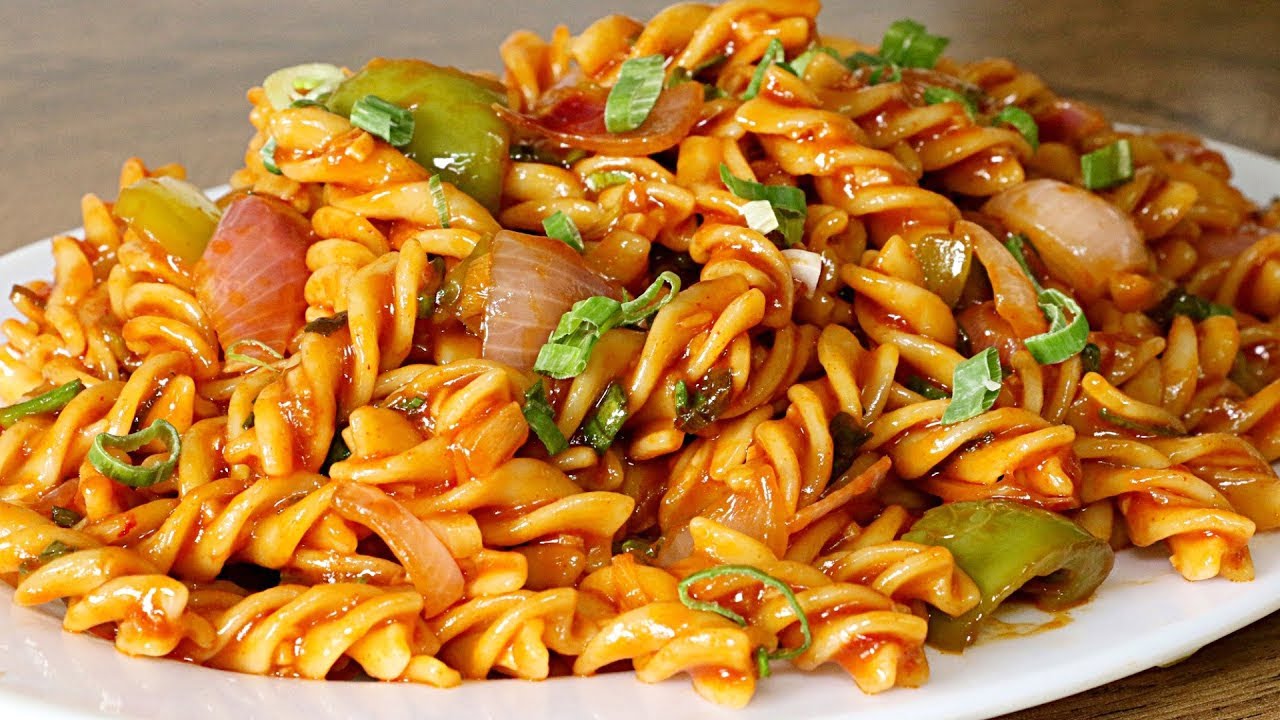

There is an exciting principle approximately how pasta turned into a staple of Italian cuisine, though it’s a contested explanation. Marco Polo was the individual who added it to the United States in the late thirteenth century. The enigmatic Venetian service provider and explorer had traveled to China, and the noodles common there served as the foundation for the Italian staple. This is what a few schoolchildren in the United States of America were taught for decades.
But now, there is another concept as regular as more credible, which says that Polo did not quite discover pasta as a whole lot as rediscovering a noodle that already existed in Italy before his time. This noodle became referred to as lagane (from which the current-day lasagna receives its name). It became determined in Italy as early as the 1st century AD, before the Arabs arrived around 800 years later and spread it all through the land.
Either way, pasta, together with pizza, is the overriding dish that defines Italian cuisine outdoors. S A. Even in Mumbai, flip to the Italian phase of any menu. You can find only variations of the 2. Even though this belief does a brilliant injustice to a wealthy culinary lifestyle wherein distinctive regions have their teown chnique for food, leading to a degree of variety, this is regularly disregarded in communicating about the United States’ cuisine. The island of Sardinia, for example, is famous for its fish dishes, while Tuscan red meat is supposed to be the nice in the land.
And so, one can shed mild on how there may be a lot more to Italian cuisine than just pizza and pasta, we spoke to two Italian cooks who had been these days within the city to show off the numerous meals in their hometowns. First, chef Antonello Cancedda from Sardinia decoded what seaside cuisine in Italy is like. Chef Marouane Rahali, alternatively, is from Milan and gave us a primer on what meals inside the landlocked regions of Italy are all approximately. Here are the highlights of what they shared.
Chef Antonello Cancedda on coastal Italian delicacies
Much like Mumbai, even the air within the coastal areas of Italy is mixed with sea salt; that is why vehicles and iron items get rusted faster. So, it follows that you’ll find a flavor of salt in every dish. At the same time, salt is likewise used to preserve anchovies in a tumbler jar called Barbarella. Coastal delicacies are complete with fish and seafood starters, like fish ravioli, fried and marinated anchovies, anchovies in olive oil, anchovy tart, etc. It is stated that a piece of anchovy is located in nearly every dish, from the stoccafisso [cod stew] and buried [cuttlefish stew] to the focaccia pizza [cheese focaccia topped with marinara sauce].
You can’t go away to a coastal city in Italy without attempting the cozze alla marinara [mussels in white wine and garlic]. Usually, the first-rate mussels come from Sardinia, and when you try that, you don’t compromise with other mussels. Genovese delicacies specifically have taken inspiration from the Arab nations and the French. For example, in reality, one of our pastas has been named ‘mandrill, which in Arabic approach ‘handkerchief.’ It is a type of sparkling lasagna tossed with pesto sauce.
Chef Marouane Rahali on the landlocked regions
Nowadays, the best dining restaurants serve their versions of just about every dish that Milanese families devour at home. But some dishes you’ll in no way get at an eating place are cassoulet (a traditional pork stew in which unique cuts of the pig and cabbage are used), Béchamel (a experience sauce), polenta, and gorgonzola. In the olden days, human beings were negative and used the simplest means that became reachable to them quickly and easily. Climate also played a crucial role. I hail from the mountainous vicinity, in which the winters are quite cold, so most of the food, in comparison to the seashore, is a chunk heavier.
We use elements that help us generate warmth within the body, like numerous beans made from distinct flour (which include polenta or buckwheat flour), butter, red meat, and steak. Also, most of the dishes in my location are stews. Though both are landlocked towns, Milan and Rome don’t have a whole lot in common. Besides, a lot of meat, beans, and grains are utilized in both cuisines. But the Roman delicacies are richer due to their strategic position on the map. Throughout history, Rome used to get all of the excellent ingredients from anywhere in Italy.


